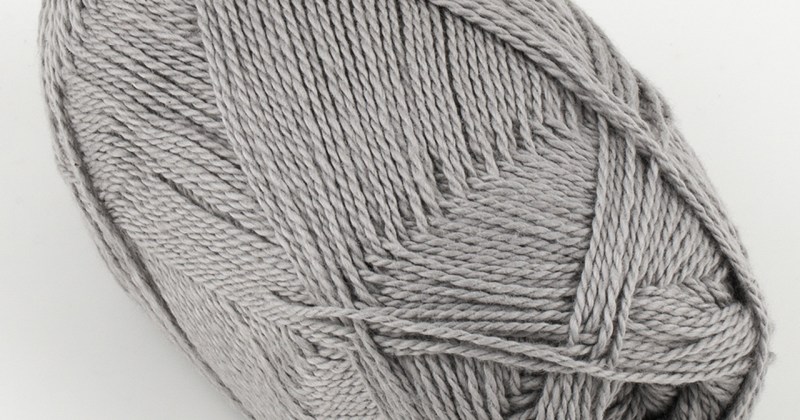

The world of yarn is as diverse and colorful as the projects it helps to create. Among the different types of options available to knitters and crocheters, CaMaRose Yarns stands out for its quality, sustainability, and social responsibility. Available at The Loopy Ewe, a beloved destination for fiber enthusiasts, CaMaRose offers a range of yarns that are not only a joy to work with but also kind to the planet and its inhabitants. This article tackles the details of two notable offerings from CaMaRose: the Yaku 4/16 and Pimabomuld 2/8 yarns.
Yaku 4/16: Softness and Sustainability in Every Stitch
The Yarn That Cares
Yaku 4/16 is a testament to the beauty and resilience of merino wool. Its tight, even ply results in a smooth strand that showcases stitch definition to perfection, making it ideal for a wide range of projects from hats to shawls, and sweaters to mitts. However, the appeal of Yaku extends beyond its tactile and aesthetic qualities. It represents a commitment to sustainability and ethical practices in every aspect of its production.
A Sustainable Production Cycle
The manufacturing process of Yaku is carefully designed to minimize environmental impact. The mill prioritizes the use of renewable energy, with 70% of its consumption sourced from a VESTAS windmill. Water used in production undergoes purification and recycling, demonstrating a profound respect for this vital resource. Additionally, the establishment of a tree plantation around the purification plant serves a dual purpose: aiding in the purification process and acting as a carbon sink to offset emissions.
The mill also utilizes advanced waste management systems to sort and repurpose production byproducts in an eco-friendly manner. This closed-loop, minimal-waste ideology greatly minimizes the operation’s carbon footprint.
Ethical Practices and Animal Welfare
CaMaRose takes animal welfare seriously. Yaku is produced using mulesing-free merino fibers, ensuring that the sheep are not subjected to this harmful practice. Moreover, the yarn carries the oeko-tex certification, guaranteeing that it is free from harmful substances and safe for human use—a crucial consideration for knitters and the end-users of their creations. The sheep themselves are treated humanely at all times. This conscientious level of oversight results in healthier, happier sheep that in turn produce higher-quality wool.
Community and Social Responsibility
The production mill embodies a model of social responsibility, extending its care beyond its immediate operations. It actively supports local schools, healthcare initiatives, and charities, thereby contributing to the well-being of its employees, their families, and the surrounding community.
This holistic approach to business underscores the potential of industry to be a force for good. By considering human welfare alongside profits and sustainability, the mill tangibly enriches the lives of many through its presence in the region. Its commitment to ethical production and community growth makes Yaku a feel-good yarn choice for the conscientious crafter.
Pimabomuld 2/8: A Luxurious Alternative for Sensitive Skin
Beyond Wool: The Allure of Pima Cotton
For those who seek alternatives to wool, either due to sensitivities or personal preference, Pimabomuld 2/8 offers a splendid solution. Made from 100% Pima cotton, known for its softness and durability, this yarn is as gentle on the skin as it is on the eyes. Its color variety radiates vibrancy and depth, making it a favorite for projects that require a touch of elegance without the wool.
What Makes Pima Cotton So Special?
Pima cotton comes from a specific cultivated variety of the plant called Gossypium barbadense. It yields longer, stronger, and finer fibers than standard cotton, giving Pima yarns and fabrics their coveted softness and sheen. Pima cotton represents less than 5% of global production, making it a premium product that commands higher market value.
Ideal for a Range of Projects
Pimabomuld’s fingering weight makes it versatile for a variety of knitting and crocheting endeavors. Whether crafting lightweight sweaters, delicate shawls, cozy cowls, or cherished baby items, this yarn delivers quality and comfort. Its natural fiber composition ensures breathability and ease of care, attributes highly valued in garments and accessories alike.
The smooth texture and subtle sheen of Pimabomuld lend themselves beautifully to intricate stitchwork. Lace knitters will delight in the way more complex patterns shine through. For colorwork enthusiasts, the rich hues pop without obscuring details. The soft hand feel makes it a wonderful choice for projects destined to grace sensitive skin.
Sustainability and Softness Hand in Hand
Like its woolen counterpart, Pimabomuld is produced with an eye toward sustainability. The use of high-quality, natural cotton ensures that the yarn is not only pleasant to work with but also environmentally friendly. By choosing Pimabomuld, knitters can enjoy the tactile pleasure of cotton while supporting sustainable agriculture practices.
Pimabomuld comes from rain-fed cotton crops relying primarily on natural rainfall rather than intensive irrigation. This method conserves water and promotes soil health through crop rotation. The farmers cultivating the cotton exercise environmental stewardship in all aspects of production.
A Guilt-Free Luxury for Crafters
For knitters and crocheters who appreciate upscale fibers but aim to reduce their textile footprint, Pimabomuld offers a conscientious solution. The heavenly softness of Pima cotton elevates projects to heirloom status, while sustainable growing practices promote environmental well-being across the supply chain.
Conclusion: CaMaRose Yarns—A Choice for Conscientious Crafters
CaMaRose Yarns, with its dedication to quality, sustainability, and social responsibility, offers an appealing choice for knitters and crocheters who value these principles. Available at The Loopy Ewe, Yaku 4/16 and Pimabomuld 2/8 represent just a glimpse of what this conscientious brand has to offer. By choosing CaMaRose, crafters indulge in the joy of creation and contribute to a more sustainable and ethical world—one stitch at a time.
Frequently Asked Question
- What makes Yaku yarn environmentally sustainable?
Yaku is produced in a mill that prioritizes renewable energy from a windmill to power operations. The mill also recycles and purifies water used during manufacturing. Additionally, there is a tree plantation around the water purification plant that aids this process and acts as a carbon sink. Advanced waste management systems sort and repurpose production byproducts in an eco-friendly manner, creating a closed-loop, minimal waste process.
- How does the mill that produces Yaku yarn promote ethical animal welfare practices?
Yaku is made from mulesing-free merino wool, so the sheep are not subjected to this inhumane procedure. The yarn is Oeko-Tex certified and free from harmful substances, making it safe for human use.
- What community initiatives does the mill support?
The mill actively supports local schools, healthcare programs, and charities to improve conditions for employees, their families, and the surrounding communities.
- Why is Pima cotton considered a superior fiber to standard cotton?
Pima cotton comes from a special cultivated variety of cotton called Gossypium barbadense which has longer, finer, and stronger fibers. This gives Pima cotton exceptional softness, sheen, and durability. Less than 5% of global cotton production is Pima, making it far rarer and more valuable than conventional cotton.
- How is Pimabomuld yarn made in an environmentally responsible manner?
The Pima cotton used in Pimabomuld is raised and harvested sustainably. Farmers grow their crops sustainably, exercising environmental stewardship practices.